
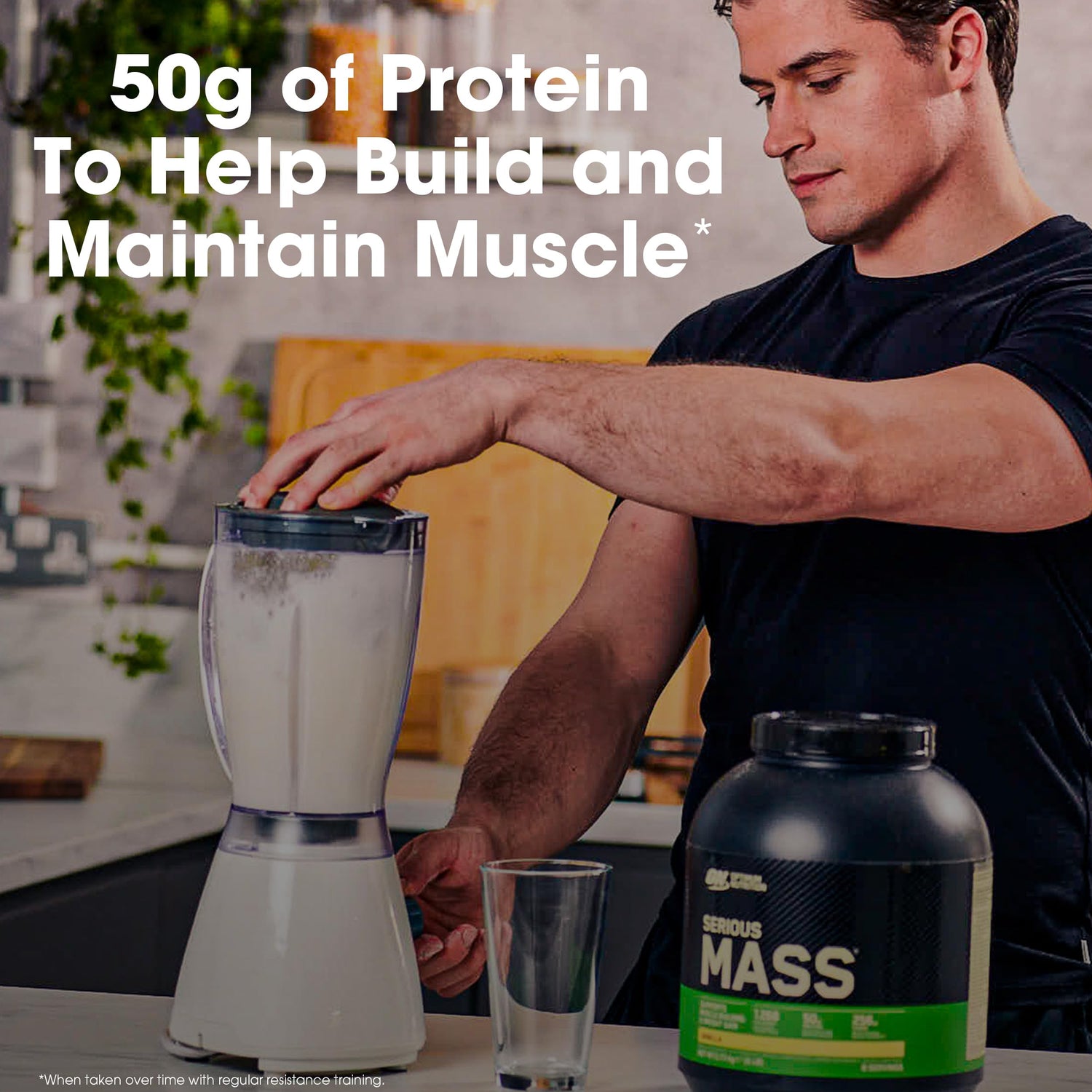
Understanding Men's Multivitamins
Men's multivitamins have emerged as an indispensable component in the landscape of preventative healthcare. These specialized nutritional supplements are meticulously formulated to address the physiological requirements unique to the male body. While a balanced diet remains paramount, multivitamins serve as nutritional insurance, filling potential gaps in daily micronutrient consumption. These supplements typically encompass a comprehensive array of vitamins, minerals, and sometimes botanical extracts that support various bodily functions from cellular metabolism to immune response.
The contemporary market offers a plethora of options—from basic formulations to age-specific blends targeting particular health concerns. Understanding the nuanced differences between these products empowers men to make judicious selections aligned with their individual health objectives. Scientific research continues to evolve regarding supplement efficacy, with certain nutrients consistently demonstrating benefits for male physiology when consumed at appropriate levels.
Key Nutrients in Men's Formulations
The nutritional profile of high-quality men's multivitamins reflects gender-specific requirements that differ from women's formulations. Vitamin D and zinc feature prominently in these supplements, as they play pivotal roles in testosterone production and reproductive health. B-complex vitamins, particularly B12, B6, and folate, support energy metabolism and neurological function—essential for men experiencing high-stress lifestyles or intensive physical activity regimens.
Selenium and lycopene have garnered attention for their potential in supporting prostate health, while magnesium contributes to muscle function and recovery. Many contemporary formulations also incorporate omega-3 fatty acids, recognizing their cardiovascular benefits—an area of particular concern in men's health demographics. The inclusion of antioxidants such as vitamins C and E aims to combat oxidative stress, which accelerates cellular aging and contributes to chronic disease pathogenesis.
Benefits for Men's Health
The strategic consumption of high-quality multivitamins can yield multifaceted benefits for men across various physiological systems. Research indicates potential improvements in energy production, cognitive performance, and immunological resilience when nutritional deficiencies are addressed through supplementation. For physically active individuals, appropriate micronutrient levels may enhance recovery times and optimize athletic performance by supporting cellular repair mechanisms and mitigating exercise-induced oxidative damage.
Cardiovascular health—historically a significant concern in men's medicine—may benefit from nutrients like magnesium, potassium, and B vitamins that support healthy blood pressure regulation and arterial function. Furthermore, emerging research suggests correlations between optimal micronutrient status and psychological well-being, potentially moderating stress responses and supporting neurotransmitter synthesis involved in mood regulation.
Age-Specific Advantages
The benefits of multivitamin supplementation often correlate with life stages, with requirements evolving as men age. Young adults may prioritize formulations supporting metabolic efficiency and stress management during career-building years. Men in their 30s and 40s might benefit from antioxidants and anti-inflammatory compounds that mitigate the cumulative effects of environmental stressors and support joint health during peak physical activity years.
"As men enter middle age, nutritional support for cardiovascular health, cognitive function, and metabolic regulation becomes increasingly vital in maintaining quality of life and functional independence."
Men over 50 typically require augmented levels of certain nutrients—including vitamin B12, which becomes less efficiently absorbed with age, and vitamin D, which supports bone density maintenance during a life stage when osteoporosis risk increases. Specialized senior formulations often incorporate lutein and zeaxanthin for ocular health, addressing age-related macular degeneration concerns prevalent in this demographic.
Choosing the Right Supplement
Navigating the multivitamin marketplace requires discernment and an understanding of personal health objectives. Quality differentiation begins with manufacturing standards—products certified by third-party organizations such as USP, NSF International, or ConsumerLab demonstrate adherence to rigorous quality control protocols. These certifications verify that supplements contain the ingredients listed on their labels in the specified amounts and are free from harmful contaminants.
Bioavailability—the degree to which nutrients are absorbed and utilized by the body—represents another crucial consideration. Formulations employing chelated minerals, methylated B vitamins, and fat-soluble nutrients in emulsified forms typically offer superior absorption compared to their conventional counterparts. Some manufacturers employ proprietary technologies to enhance nutrient delivery, such as time-release mechanisms that optimize absorption windows throughout the day.
Reading Labels Effectively
Deciphering supplement labels requires attention to specific indicators of quality and formulation philosophy. Conscientious consumers should examine not only the presence of essential nutrients but also their quantities relative to Daily Value percentages. Excessively high doses—particularly of fat-soluble vitamins like A, D, E, and K, which can accumulate in tissues—may pose toxicity risks with prolonged use.
Ingredient sourcing merits consideration, with natural forms of vitamins generally demonstrating better biocompatibility than synthetic alternatives. For instance, natural vitamin E (d-alpha-tocopherol) shows greater biological activity than its synthetic counterpart (dl-alpha-tocopherol). Similarly, methylcobalamin represents a more bioactive form of B12 compared to cyanocobalamin.
| Nutrient | Preferred Form | Benefit |
|---|---|---|
| Vitamin B12 | Methylcobalamin | Enhanced neurological support |
| Vitamin D | D3 (Cholecalciferol) | Superior absorption and utilization |
| Magnesium | Magnesium Glycinate | Better bioavailability and minimal digestive discomfort |
| Zinc | Zinc Picolinate | Improved cellular uptake |
Integration with Diet and Lifestyle
Multivitamins function optimally as components of a comprehensive wellness strategy rather than as standalone solutions. They complement—but cannot replace—a nutrient-dense diet rich in vegetables, fruits, lean proteins, and whole grains. The synergistic interactions between nutrients in whole foods create beneficial effects that isolated supplements cannot fully replicate. Phytonutrients, fiber, and enzyme cofactors present in unprocessed foods contribute to health outcomes through mechanisms distinct from vitamin and mineral activity.
Timing and administration methods influence supplement efficacy significantly. Fat-soluble vitamins (A, D, E, K) achieve optimal absorption when consumed with dietary fats. Certain minerals may compete for absorption pathways, suggesting strategic separation—for example, taking calcium supplements apart from iron-containing formulations. Some nutrients demonstrate chronobiological effects, with B vitamins potentially providing greater energy support when taken in morning hours, while magnesium may support relaxation when consumed in the evening.
Complementary Health Practices
The value of multivitamins increases when integrated with other evidence-based health practices. Regular physical activity enhances nutrient utilization, with exercise improving cellular sensitivity to various micronutrients and promoting optimal metabolic function. Adequate hydration supports the transport and utilization of water-soluble vitamins, while sufficient sleep duration enables repair processes that depend on various micronutrients.
Stress management techniques complement nutritional supplementation by reducing chronic inflammation and oxidative stress—factors that increase micronutrient requirements. Mindfulness practices, adequate sleep hygiene, and social connection contribute to hormonal balance and immune function, working synergistically with nutritional support to enhance overall resilience.
Common Questions About Men's Multivitamins
Safety and Potential Interactions
While multivitamins generally demonstrate excellent safety profiles when used as directed, certain considerations warrant attention. Men taking prescription medications should consult healthcare providers regarding potential interactions—for example, vitamin K may affect blood-thinning medications, while certain minerals might influence antibiotic absorption. Those with pre-existing conditions, particularly renal insufficiency, should exercise caution with highly concentrated supplements that may place additional strain on filtration systems.
The myth of water-soluble vitamins being universally safe regardless of dose has been scientifically challenged, with evidence indicating that excessive B6 consumption may contribute to peripheral neuropathy in some individuals. Similarly, unnecessarily high vitamin C intake may cause digestive discomfort and, in rare cases, increase kidney stone risk in predisposed individuals.
- Always consult healthcare providers before beginning supplementation if you have chronic health conditions
- Disclose all supplements when discussing medication regimens with physicians
- Start with standard dosages before considering concentrated formulations
- Monitor for unusual symptoms when initiating new supplements
- Periodically reassess supplement needs as health status changes
With appropriate selection and integration into a balanced wellness approach, men's multivitamins can serve as valuable tools in optimizing health outcomes and supporting longevity. The most beneficial approach involves personalization based on individual health status, lifestyle factors, and specific nutritional needs—ideally guided by healthcare providers familiar with nutritional medicine principles.


 https://bevitamins.pk

Leave a comment
This site is protected by hCaptcha and the hCaptcha Privacy Policy and Terms of Service apply.